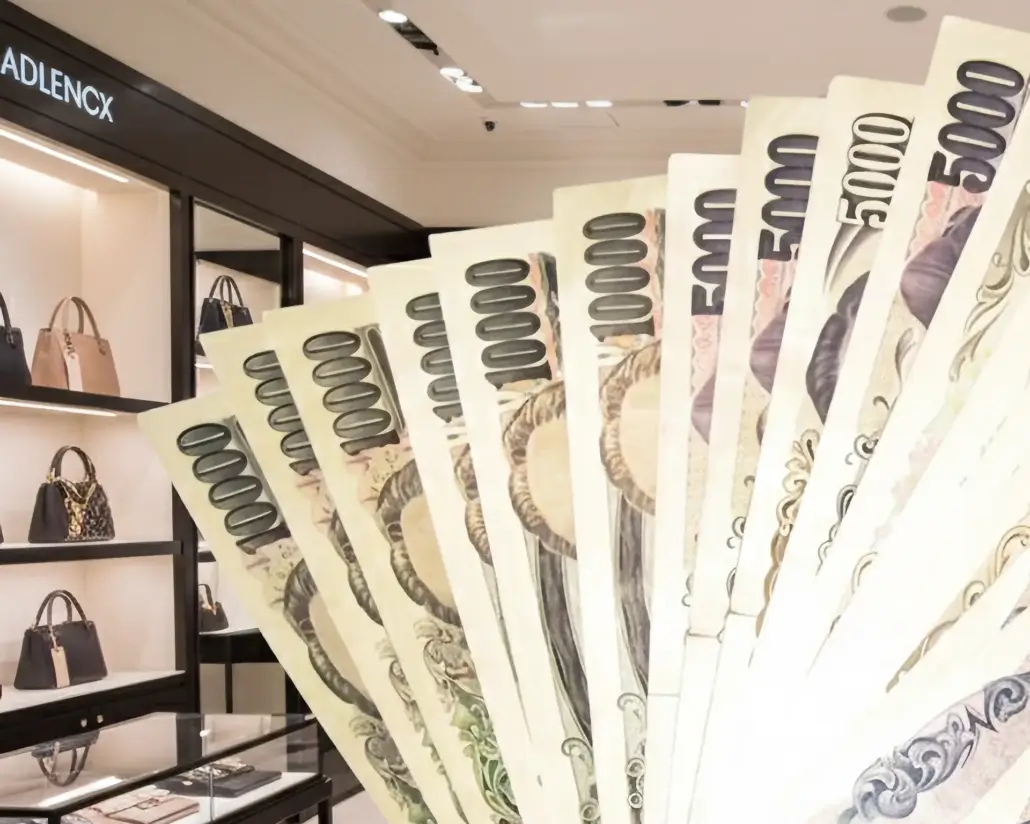
 AI Generated
Navigating Credit Cards and Cash in Japan
It wasn’t that long ago that cash in Japan was your only real option for buying anything. If you visited Japan ten years ago without exchanging to yen, you were going to have a very difficult holiday. Things look a lot different today, but don’t let the high-tech facade fool you into leaving your cash at home.
CONTENTS
The Cashless Shift
While the digital shift is happening, Japan remains very dependent on physical paper money and coins. In late 2024, the country finally broke the 40% cashless payments threshold. This was a government-led initiative to modernize the economy that got a huge push from COVID.
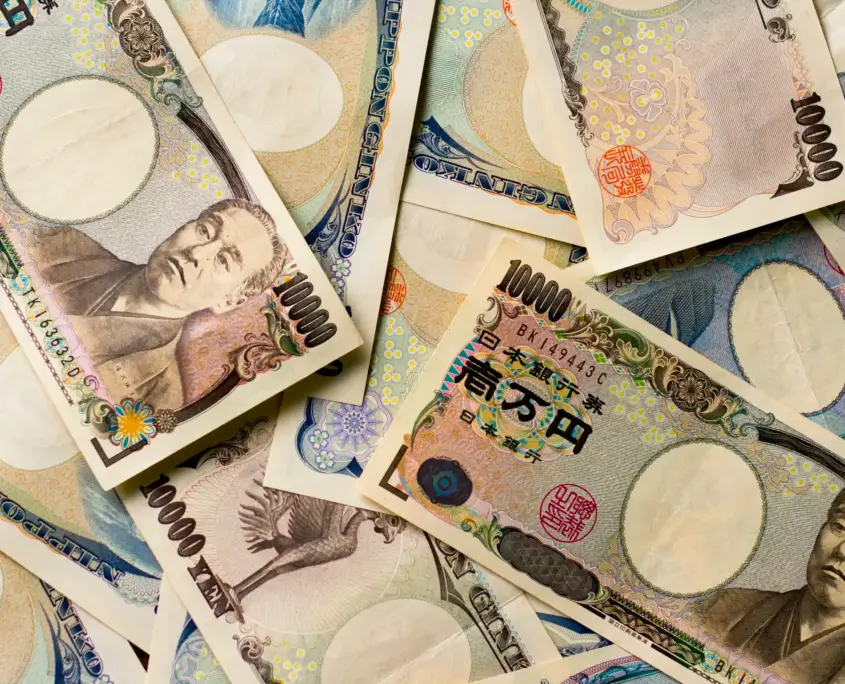
Japanese Yen | Japanexperterna (CCBYSA), CC BY-SA 3.0, via Wikimedia Commons
However, despite this cashless revolution, Japan remains more cash-centric than the US (86.9% cashless), the UK (94.6% cashless), or Australia (98% cashless). While its neighbors in South Korea have hit a nearly 90% cashless system, I would say that Japan falls into more of a cash-credit hybrid economy.
Why Japan Isn’t Giving Up on Cash
You might wonder why the country that gave the world high-speed trains and robot cafes is still so obsessed with paper bills and coins. One major reason is disaster preparedness. The government and the public view cash as an important survival tool that works even when the power grid fails.
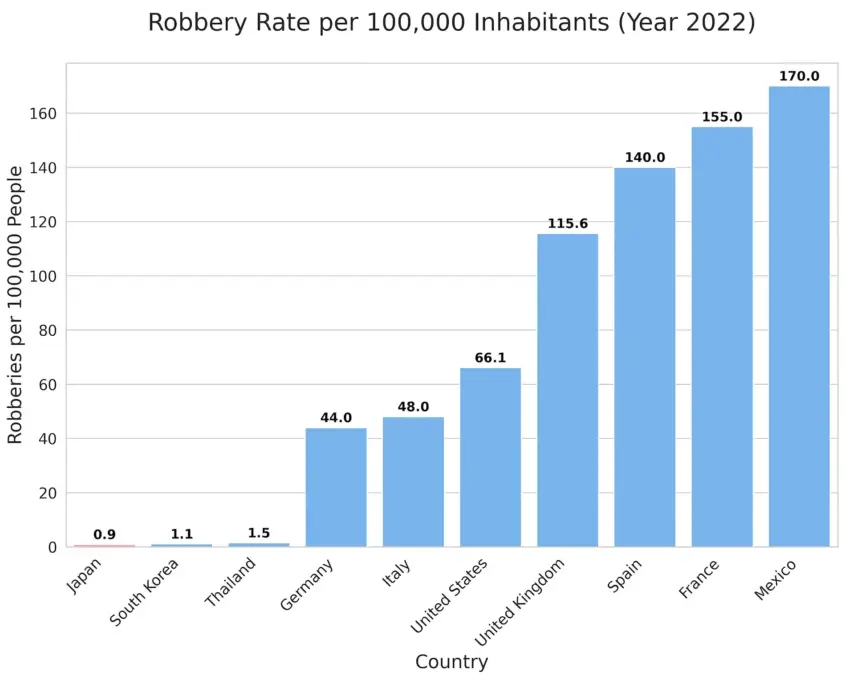
Another factor is the overall public safety of the country. In most Western cities, carrying hundreds of dollars in your pocket feels like a massive liability. On the contrary, it’s perfectly normal to carry a lot of cash in Japan because the crime rate is so low and lost wallets are typically returned with the money still inside.
How to Navigate the Two Japan’s
When planning your daily budget, you need to understand that you are dealing with two different payment ecosystems. The first is the big box chain experience, which includes convenience stores, department stores like Takashimaya, and most major hotels. In these locations, your Visa, Mastercard, or Apple Pay will work almost 100% of the time.
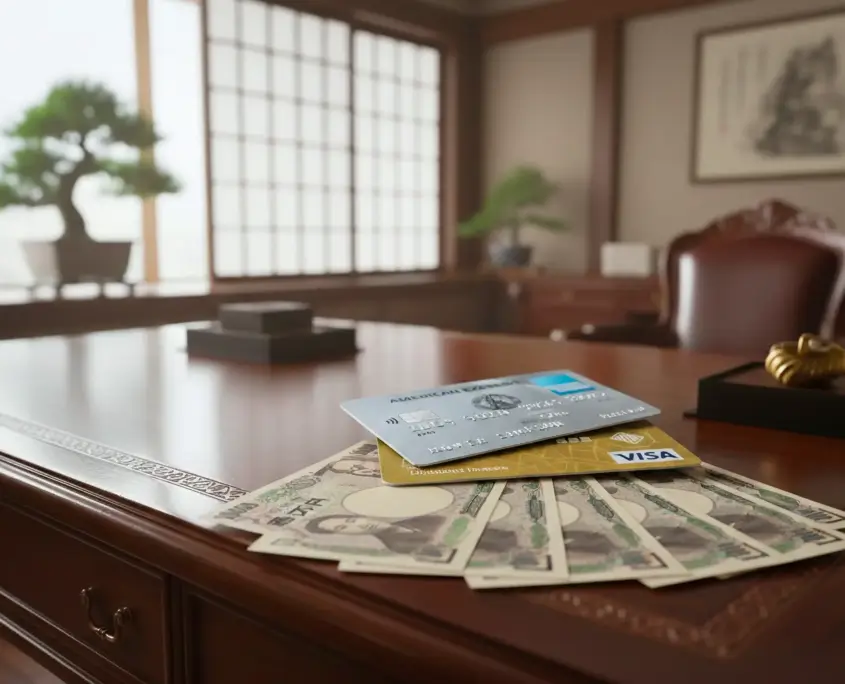
Credit Cards and Japanese Yen
The second ecosystem is the authentic rural experience. This includes small shrines, local ramen shops with their original ticket machines, and traditional ryokans in the countryside. These spots are often cash only to avoid the high merchant fees associated with credit cards.
IC Card’s Role
If you want the convenience of digital payments with the reliability of cash, you’ll love the IC Card. These are the transit cards like Suica, Pasmo, or Icoca that do a lot more than just pay for subways, trains, and buses.
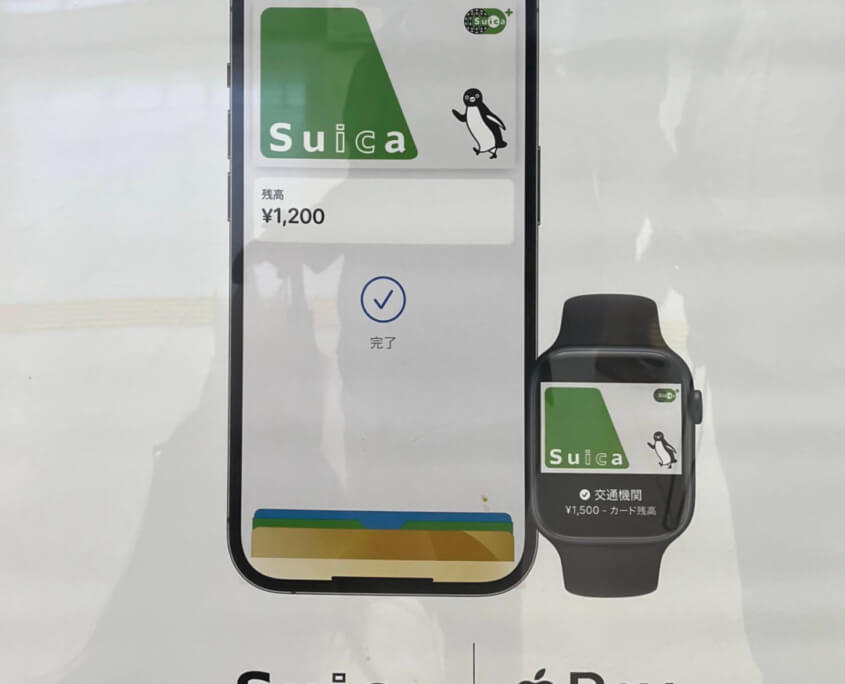
Suica On iPhone and Apple Watch
To use one, you just load it up with physical cash at any train station ticket machine. Then you can use it at vending machines, lockers, convenience stores, and most taxis in Tokyo, Osaka, and Kyoto. You still can’t use these cards at small local markets or for temple entrance fees.
Managing Your Cash in Japan
We recommend that each of our tour guests carry at least ¥5,000, roughly $35 USD, in cash on them at all times. This guarantees that they’ll never find themselves in a cash-only situation.
We also recommend a coin purse for carrying all the coins you’re going to accumulate. It helps you consolidate your coins and makes it easier to get rid of them at vending machines and convenience stores.
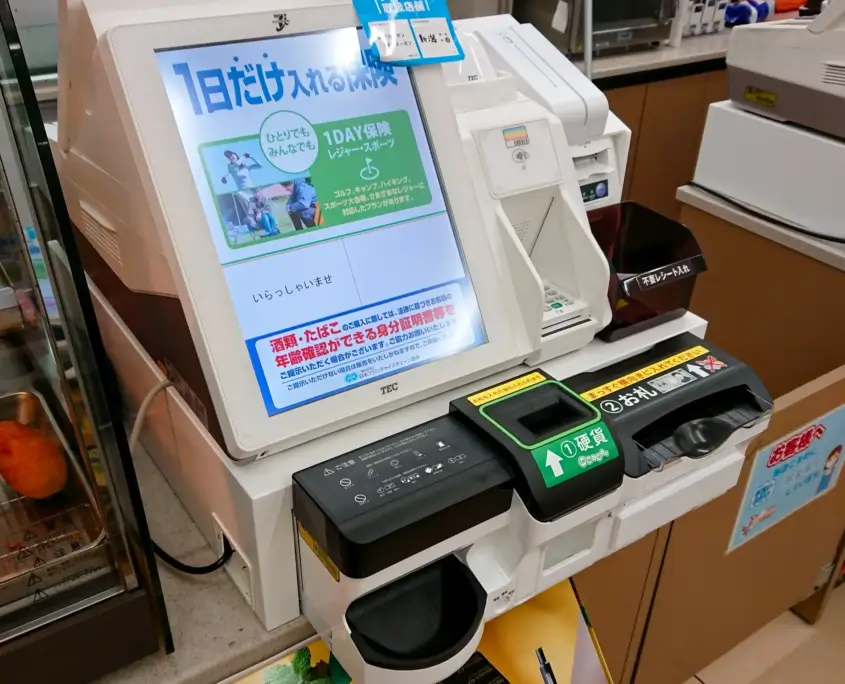
7-Eleven Self-Pay Register | Rebirth10, CC BY 3.0, via Wikimedia Commons
If you ever find your pockets getting heavy with coins, buy something from a 7-Eleven and dump all of your change into the self-paying cash registers. They’re incredibly efficient and will count your coins for you to pay for your snacks, and then give you the best combination of coins and bills back.
Where to Get More Yen
When your supply of cash in Japan starts to run low, don’t waste your time looking for a traditional bank. Most Japanese bank ATMs don’t accept international cards, and their hours are surprisingly limited. Instead, head straight to a 7-Eleven.
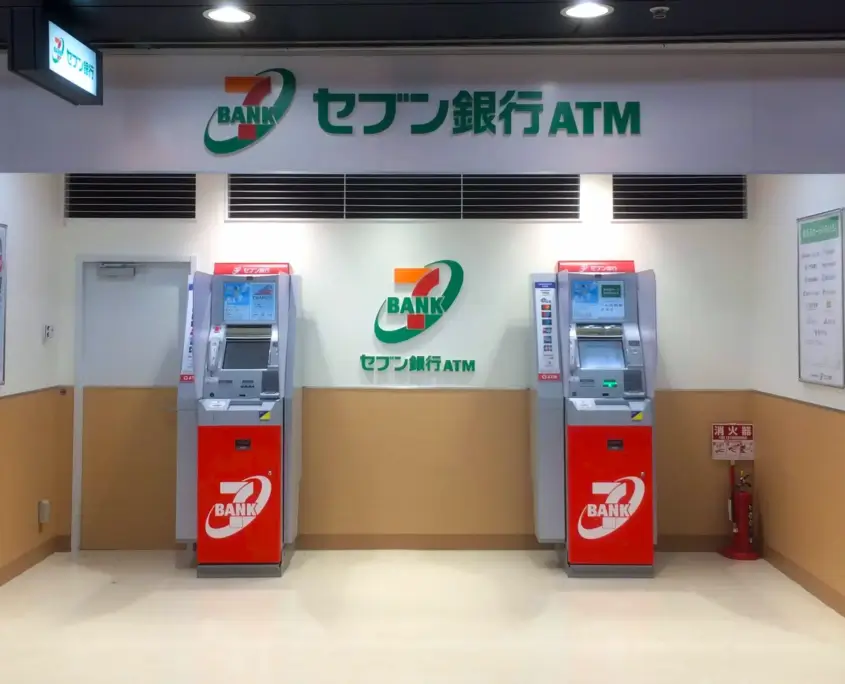
Seven-Bank ATMs in Osaka, Japan | Rebirth10, CC BY-SA 4.0, via Wikimedia Commons
The Seven Bank ATMs are open 24/7 and are very reliable for international withdrawals. You can find them randomly throughout Japan and inside almost every 7-Eleven store. They have an English-language interface and offer a favorable exchange rate. You’ll also find these ATMs at both of Tokyo’s international airports.
Summary of the Cash Reality
While the country is moving toward a paperless future, cash in Japan is far from dead. You’ll find that major retailers and transit systems are now very cashless-friendly. But the true heart of Japan is in its small shops and temples, and they still run on bills and coins.
Want a Unique Japan Trip?
Discover Japan planning secrets with our best-selling Itinerary Planning Course. Or inquire about our exclusive Small Group Tours.


 Shutterstock
 Pixabay
 ©JAPAN and more
 ©JAPANandmore.com