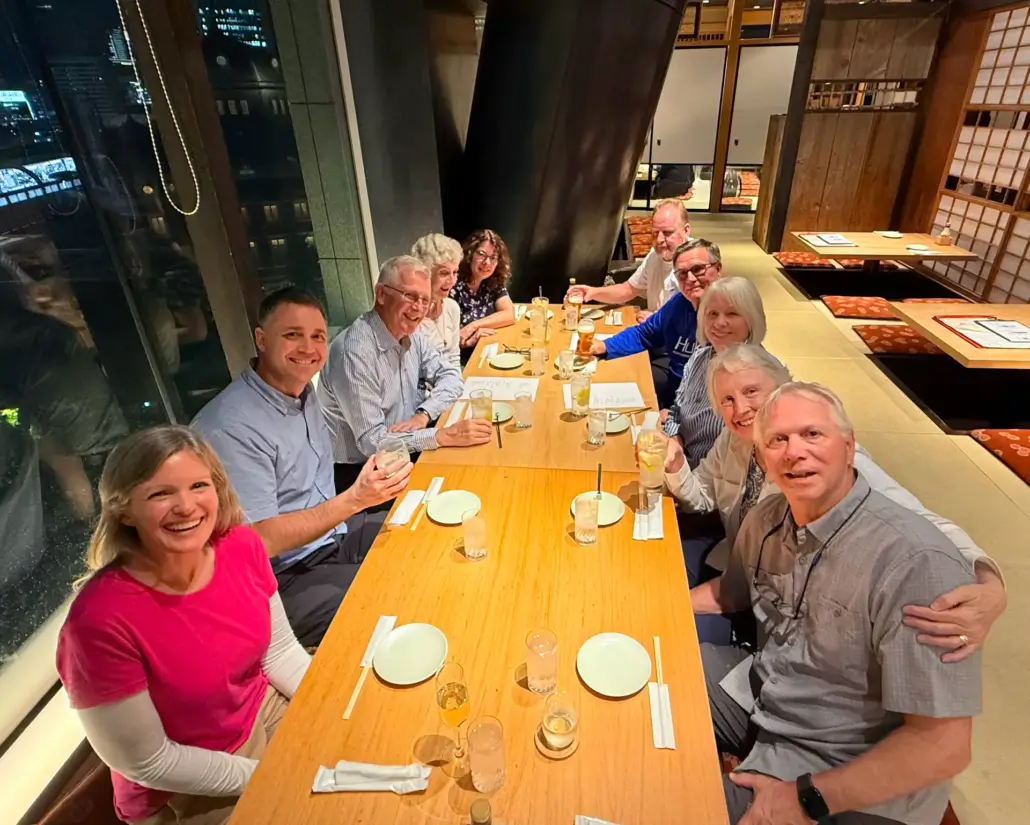
Book Confidently with our Flexible Booking Policy. LEARN MORE
Book Confidently with our Flexible Booking Policy.

LEARN MORE

JAPAN and more
  • Japan Tours
  • Services
  • CONTACT
  • Click to open the search input field Click to open the search input field Search
  • Menu Menu
Chopsticks in Japan: 9 Taboos to Avoid©JAPANandmore.com

Chopsticks in Japan: 9 Taboos to Avoid

June 23, 2026/in Practical Tips/by Shawn Weldon

Food is one of the best parts of any trip, but you don’t want to accidentally come off as rude while using your chopsticks in Japan. Most tourists don’t realize that how they handle their chopsticks is a direct reflection of their respect for the culture and the chef.

CONTENTS

It’s perfectly normal to feel a bit of anxiety when you realize a fork isn’t coming to the rescue. Luckily, you won’t have any problems because I’m going to guide you through the social minefield of using chopsticks.

The Biggest Blunders

The most important rules for using chopsticks in Japan aren’t about being fancy. Instead, they’re more about avoiding the imagery of death. In Japanese culture, certain actions are reserved exclusively for funerals and should never appear at a dinner table.

1. Sticking Chopsticks in Your Rice

If you need to put your sticks down, you might be tempted to stick them upright in your rice or rest them inside your bowl. However, this is a major social blunder because it mimics a funeral ritual known as tsukitate-bashi, which is the offering of incense sticks to the spirit of the recently departed. Doing this at a dining table is seen as inviting death to the meal.
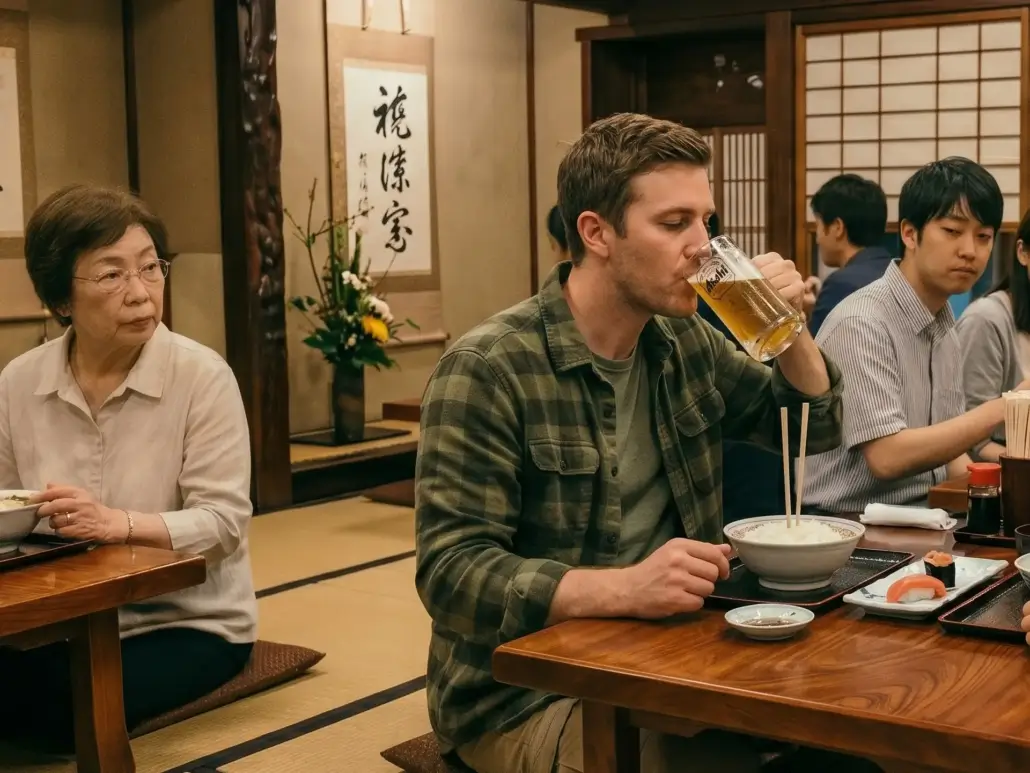
Social blunder mimics tsukitate-bashi a funeral ritual

Social blunder mimics tsukitate-bashi a funeral ritual – Generated by Gemini AI

Instead, you should use a chopstick rest, known as a hashioki, to hold the tips of your chopsticks. If you don’t see one, you can simply lay them horizontally across the rim of your bowl or plate.

TIP: Always rest your chopsticks parallel, and don’t cross them into an “X” shape, as this pattern also carries a negative funeral symbolism.

2. Passing Food Stick-to-Stick

Passing food directly from your chopsticks to another person’s is a pretty serious breach of etiquette in Japan. This is known as hashi-watashi, and it’s considered deeply unsettling because it resembles the kotsuage ritual performed after a cremation.

During this funerary rite, family members use special sticks to pass bone fragments to one another. Recreating this action with food brings the imagery of death to the dinner table.
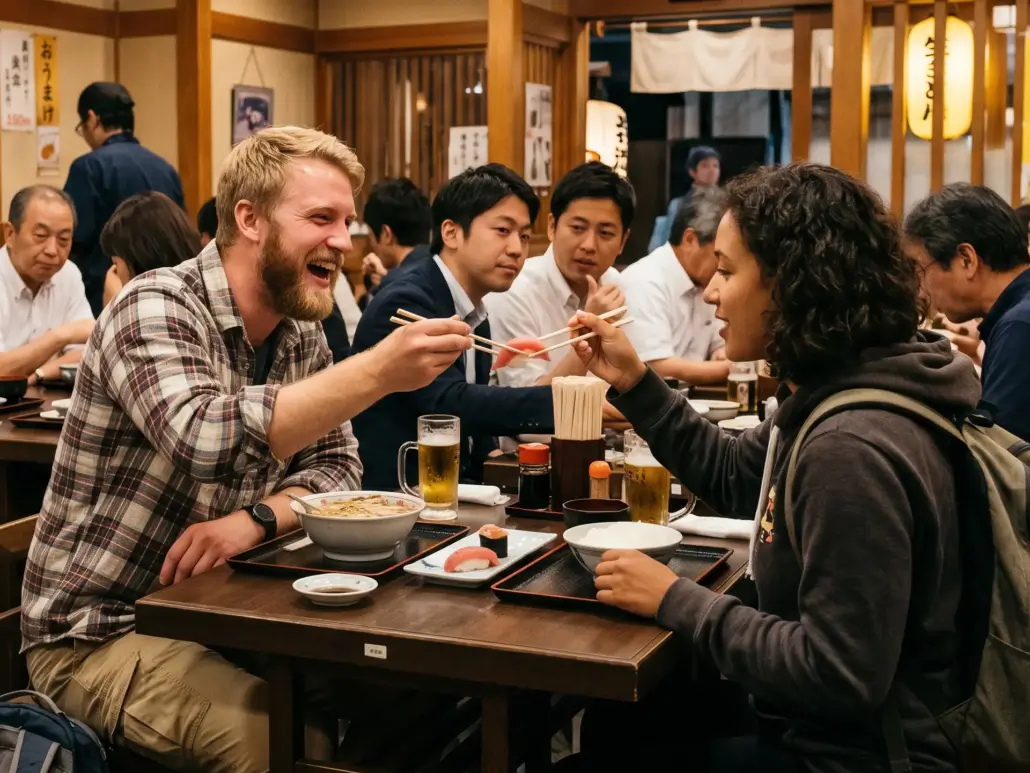
Couple passing food between chopsticks

Couple passing food between chopsticks, also a funeral ritual – Generated by Gemini AI

To stay on the safe side, you should either use a small side plate to pass food or let the other person take the food off of your plate. Another option is to place the food on their plate and let them pick it up themselves.

Disposable Chopsticks in Japan

Most casual restaurants provide waribashi, which are the wooden disposable chopsticks you pull apart. While they seem simple, tourists often make these accidental etiquette blunders.

3. Breaking Them Properly

When using disposable chopsticks in Japan, even the way you break them apart matters. Most travelers pull them apart left-to-right, but this vertical method is actually considered poor manners because the wide motion risks elbowing your neighbor. It also puts uneven pressure on the wood grain and leads to an uneven break.

If you really want to look like you know what you’re doing, break your chopsticks horizontally by holding them parallel to the table and pulling them apart in an up-and-down motion. This keeps your movements small and contained, which makes for a cleaner break.

TIP: For an extra touch of refinement, break them over your lap or close to the table rather than up in front of your face.

4. Rubbing Chopsticks Together

Rubbing disposable chopsticks together, known as kosuri-bashi, is one of the most common ways tourists accidentally insult their host. It sends a message to the owner that you think their restaurant is cheap.
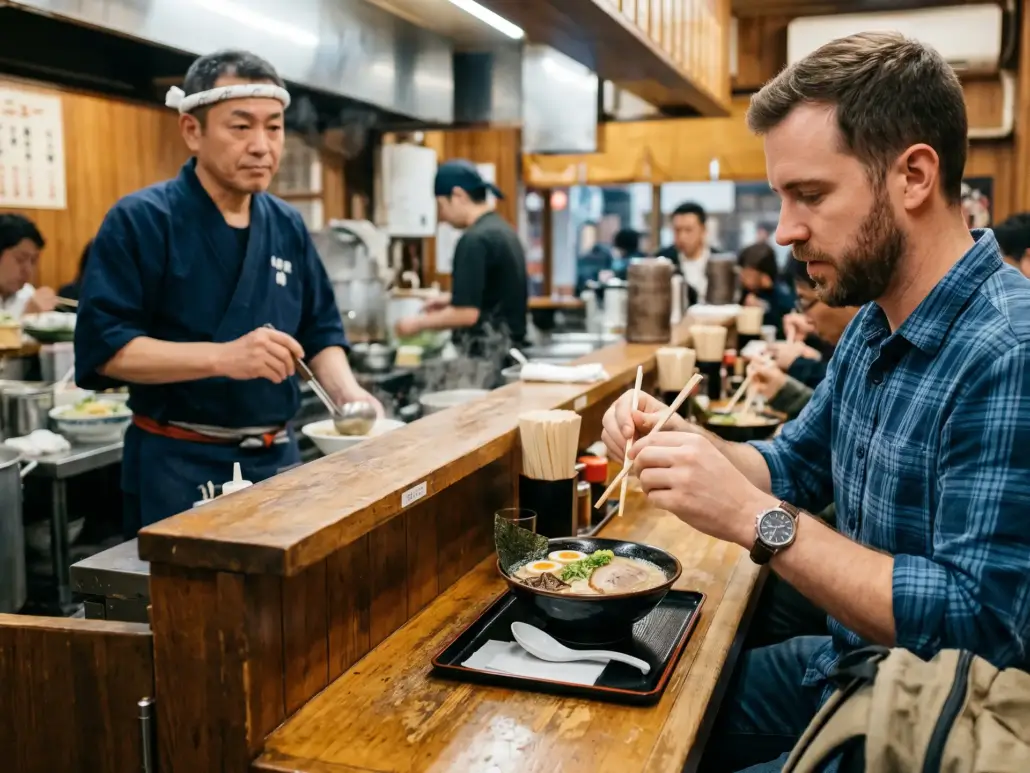
Ramen chef watching patron rub chopsticks together

Ramen chef watching patron rub chopsticks together – Generated by Gemini AI

To keep things classy, you can quietly pick off any splinters with your fingers under the edge of the table. If the sticks are truly poor quality or broken, it’s best to simply ask your server for a new pair.

TIP: When you’re finished eating, slide your used chopsticks back into the paper sleeve. You can fold the end of the sleeve over to signal that you’re done and that the sticks have been used.

Chopsticks Are Not Forks or Knives

If you struggle with chopsticks, you might be tempted to treat them like a fork and knife. This is a quick way to show everyone in the room that you haven’t done your homework.

5. Not a Fork or Knife

You should never hold one stick in each hand to saw or tear a large piece of food. In Japanese etiquette, chopsticks must always be used as a pair in one hand. If a piece of food is too big, try to break it with your sticks using a pinching motion or simply take a bite and place the rest back down.
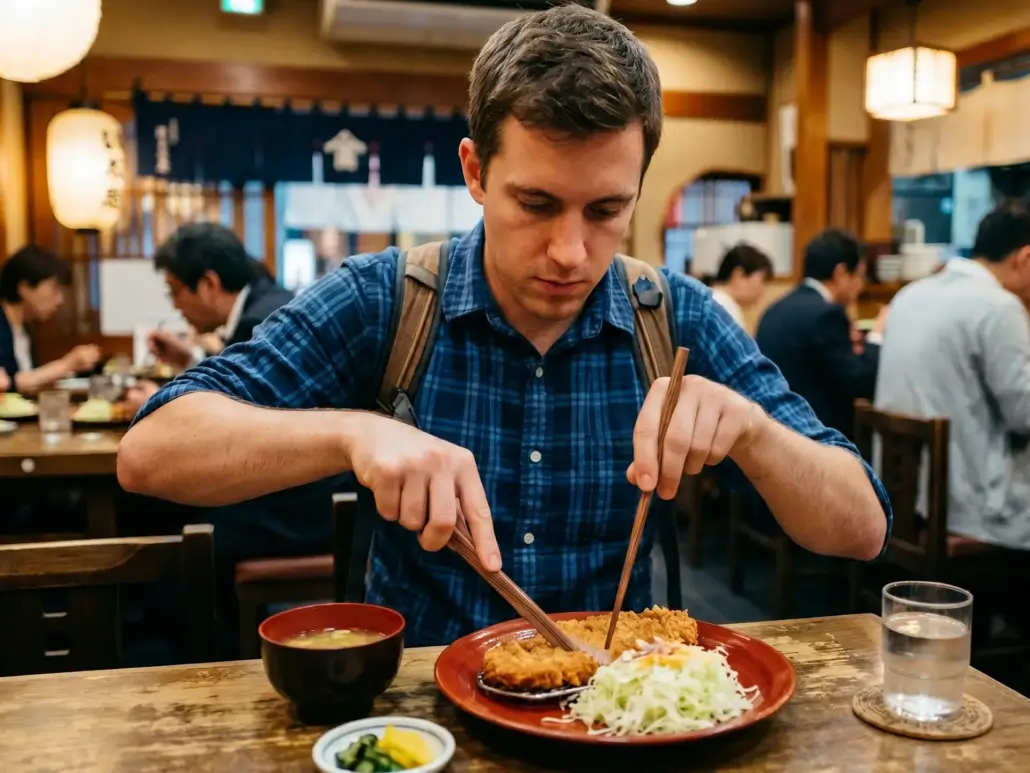
Patron cutting food with chopsticks

Patron cutting food with chopsticks – Generated by Gemini AI

6. Stabbing Your Food

Tsukibashi, the stabbing of food with your chopsticks, is considered aggressive and unrefined. It can also be seen as a direct insult to the chef’s skills, implying that the ingredients are poorly prepared or that you’re suspicious of the quality.

To handle difficult foods like tofu, you could try the lifting technique by cradling the food from the bottom with both sticks. If you’re really struggling, it’s far more polite to simply admit you’re having trouble than to resort to stabbing.

Table Manners and Body Language

Etiquette for using chopsticks in Japan also extends to how you interact with the plates and the people around you. Small movements can have big meanings in the Japanese dining environment.

7. Moving Dishes

Never use your chopsticks to pull or push a bowl or plate. Instead, use your hands to move dishes and avoid the faux pas known as yose-bashi. This small act is actually one of the most unrefined things you can do at a dinner table, aside from the funerary blunders.

8. Wandering Sticks

Hovering your sticks over different dishes while you decide what to eat is considered greedy. This prevents others from accessing the food while you hover, trying to decide. It’s best if you make up your mind before reaching for the food.

9. Licking the Tips

It might be tempting to lick that delicious sauce off the ends of your chopsticks, but I wouldn’t recommend it. Licking or sucking on your chopsticks is considered unsanitary, signals a lack of self-control, and shows a lack of basic adult dining etiquette.

Use dedicated serving chopsticks for communal plates. In casual settings where serving sticks aren’t available, keep the tips of your chopsticks away from your lips and tongue.

Common Mistakes with Soup and Rice

This is slightly off topic but worth mentioning. Eating rice and soup involves a few specific rules that differ from Western spoon culture.

Believe it or not, it’s perfectly acceptable, and almost expected, for you to lift your rice or miso soup bowl up to your mouth. This makes it easier to use your chopsticks to help guide the food without dropping it.

What to Take Away

As long as you make a visible effort to follow these rules, you’ll find that Japanese people are incredibly gracious. They don’t expect perfection, but they do appreciate the effort to respect their traditions.

Want a Unique Japan Trip?

Discover Japan planning secrets with our best-selling Itinerary Planning Course. Or inquire about our exclusive Small Group Tours.
Get Details
Share this entry
  • Share on Facebook
  • Share on X
  • Share on WhatsApp
  • Share on Pinterest
  • Share on Tumblr
  • Share on Reddit
  • Share by Mail
https://japanandmore.com/wp-content/uploads/2026/02/Izakaya-in-Tokyo.webp 1537 1920 Shawn Weldon https://japanandmore.com/wp-content/uploads/2016/12/Japanandmoresmallheader-4.png Shawn Weldon2026-06-23 10:19:162026-07-07 09:07:00Chopsticks in Japan: 9 Taboos to Avoid
You might also like
Lantern with Fall Colors©JAPANandmore.com 5 Reasons You Should Visit Japan in the Fall
Etiquette Rules for Kyoto Tourists@JAPANandmore What Are the Etiquette Rules for Kyoto Tourists?
Tokoname Path©JAPANandmore.com Tokoname
How to Use Chopsticks©JAPAN and more How to Use Chopsticks
Becki and Shawn in Kimono©JAPANandmore.com Japanese Kimono Trend: Why Tourists in Kimono Are Not Geisha
Dotonbori Osaka Walk@JAPANandmore Dotonbori Osaka Walk

Recent Posts

  • Grand Sumo Tournament on NHK World
  • Japanese Kimono Trend: Why Tourists in Kimono Are Not Geisha
  • Chopsticks in Japan: 9 Taboos to Avoid
  • Do You Need Travel Insurance in Japan?
  • Koshu Inden: Japanese Deer Leather Accessories

ABOUT

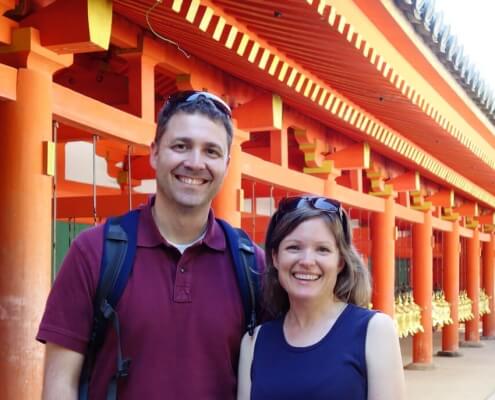
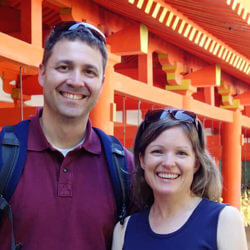
Bex and Shawn in Nara

Becki & Shawn
Japan Travel Specialists

Hi, we’re Becki and Shawn! We love Japan and are truly passionate about Japan and Japan travel.

We’ve lived, worked, and traveled in Japan for 20+ years, so we know where to go, what to see, and how to get there. Join us in Japan for an adventure of a lifetime!

SEE OUR JAPAN TOURS

Travel Japan Like a Pro

Get a FREE Checklist to help you plan your trip.
Plus, get email updates with Japan Travel Tips.

"*" indicates required fields

This field is for validation purposes and should be left unchanged.
jrpass
Learn Japanese with JapanesePod101.com

Becki & Shawn in Nara, Japan

Becki and Shawn
Japan Travel Specialists

Hi, we’re Becki and Shawn! We love Japan and are truly passionate about Japan and Japan travel.

We’ve lived, worked, and traveled in Japan for 20+ years, so we know where to go, what to see, and how to get there. Join us in Japan for an adventure of a lifetime!

Accreditations

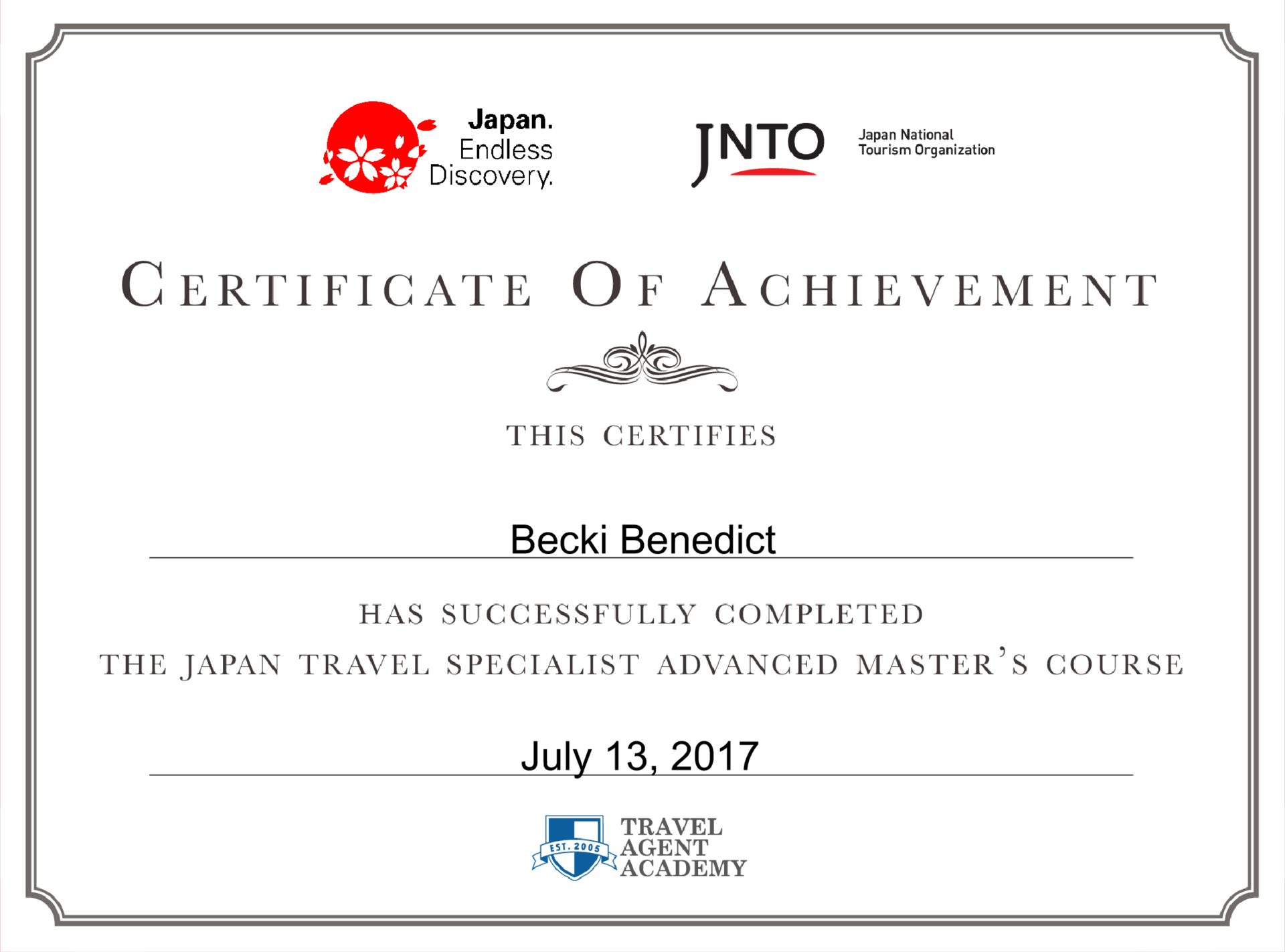
Japan Travel Specialist Advanced Certificate
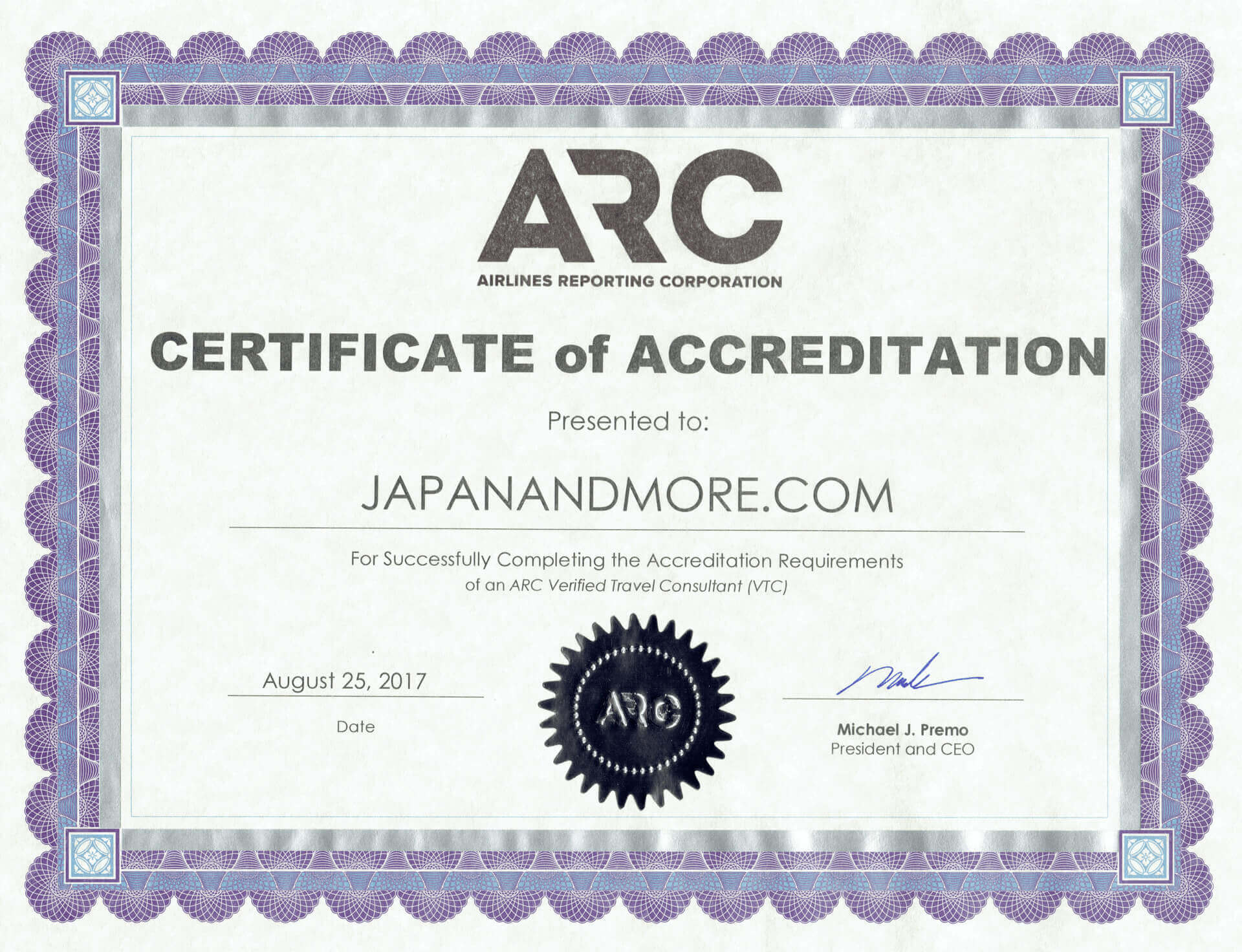
ARC Verified Travel Consultant Certification
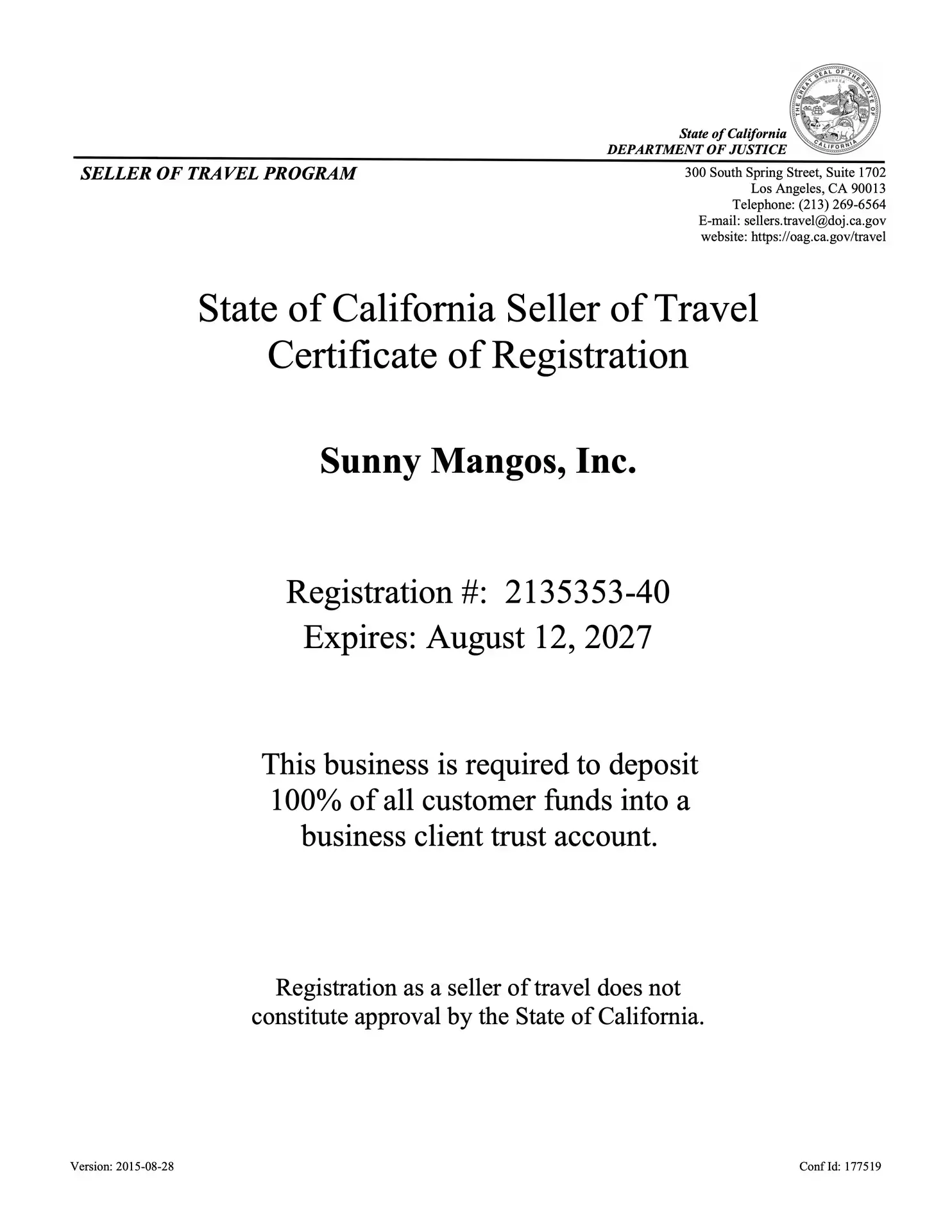
State of California Seller of Travel Certificate of Registration
JATA Membership Certification

SERVICES

  • Japan Tours
  • Services
  • About
  • Contact
  • Partners

JAPAN INFO

  • Destinations
  • Experiences
  • Travel Tips
  • Blog

Reviews & Recommendations

See our TripAdvisor Reviews
See our Google Reviews
See our Facebook Reviews
Copyright - © 2016 - 2026,  JAPAN and more  |  Privacy Policy  |  Disclosure  |  Website Services by Weldon Websites
  • Link to Facebook
  • Link to X
  • Link to Instagram
  • Link to Youtube
  • Link to LinkedIn
  • Link to Mail
Link to: Do You Need Travel Insurance in Japan? Link to: Do You Need Travel Insurance in Japan? Do You Need Travel Insurance in Japan?Do You Need Travel Insurance in Japan?@JAPANandmore Link to: Japanese Kimono Trend: Why Tourists in Kimono Are Not Geisha Link to: Japanese Kimono Trend: Why Tourists in Kimono Are Not Geisha Becki and Shawn in Kimono©JAPANandmore.comJapanese Kimono Trend: Why Tourists in Kimono Are Not Geisha
Scroll to top Scroll to top Scroll to top

This site uses cookies. By continuing to browse the site, you are agreeing to our use of cookies.

Accept

Cookie and Privacy Settings


How we use cookies

We may request cookies to be set on your device. We use cookies to let us know when you visit our websites, how you interact with us, to enrich your user experience, and to customize your relationship with our website.

Click on the different category headings to find out more. You can also change some of your preferences. Note that blocking some types of cookies may impact your experience on our websites and the services we are able to offer.

Essential Website Cookies

These cookies are strictly necessary to provide you with services available through our website and to use some of its features.

Because these cookies are strictly necessary to deliver the website, refusing them will have impact how our site functions. You always can block or delete cookies by changing your browser settings and force blocking all cookies on this website. But this will always prompt you to accept/refuse cookies when revisiting our site.

We fully respect if you want to refuse cookies but to avoid asking you again and again kindly allow us to store a cookie for that. You are free to opt out any time or opt in for other cookies to get a better experience. If you refuse cookies we will remove all set cookies in our domain.

We provide you with a list of stored cookies on your computer in our domain so you can check what we stored. Due to security reasons we are not able to show or modify cookies from other domains. You can check these in your browser security settings.

Other external services

We also use different external services like Google Webfonts, Google Maps, and external Video providers. Since these providers may collect personal data like your IP address we allow you to block them here. Please be aware that this might heavily reduce the functionality and appearance of our site. Changes will take effect once you reload the page.

Google Webfont Settings:

Google Map Settings:

Google reCaptcha Settings:

Vimeo and Youtube video embeds:

Privacy Policy

You can read about our cookies and privacy settings in detail on our Privacy Policy Page.

Privacy Policy
Accept

Travel Japan Like a Pro

Get our FREE Checklist to help you plan your trip.
Plus, get email updates with Japan Travel Tips.

"*" indicates required fields

This field is for validation purposes and should be left unchanged.
No spam, ever. You can unsubscribe any time.

Travel Japan Like a Pro Checlist